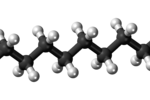
 Bio based polymers are those derived from renewable resources and appear to be more environmental friendly than polymers derived from petroleum. Due to their ecological benefits, the production and consumption of biobased polymers are increasing.
Bio based polyamide, also called nylon, is one of the oldest bio based engineering plastics. Most of them are currently derived from castor oil. The key ingredient for the manufacture of bio based polyamide is Sebacic acid derived from castor oil.
In 2012, Arkema acquired Casda Biomaterials, the earliest manufacturer of Sebacic acid in China. Roland Glotzer, who previously headed Arkema Chemicals took control as the CEO of Casda Biomaterials in August 2014.
A 2015 interview with Roland Glotzer gives us an overview of Sebacic acid market.
Some of the key highlights from the interview are discussed below:
- Bio based polymers made from Sebacic acid have advantages like excellent flexibility, durability, hydrophobicity and lower melting temperatures.
- Sebacic acid currently sells in the range USD 3550 to USD 3700 per ton FOB China, while caprolactam, another raw material for polyamide from petroleum costs around USD 2700 per ton. That is, Sebacic acid based polyamides are costlier. But these Sebacic acid based polyamides could offer better physical and chemical properties such as better flexibility and hydrophobicity. Hence the selection of Sebacic acid as feedstock is based on its performance rather than its cost.
- Sebacic acid is widely used in plasticizers where sebacates i.e. esters of Sebacic acid are mainly involved in their manufacture. This is due to the superior low temperature resistance of sebacates compared to phthalate plasticizers. Dibutyl sebacate is widely used in food packaging, while Dimethyl sebacate is used in light stabilizers for cellulose resins, synthetic resins and rubbers.
- The current markets for Sebacic acid are in the production of various polymers, esters, as a corrosion inhibitor, as an additive for low temperature lubricants, as a buffering agent in cosmetics.
- The future of Sebacic acid and its derivatives market is high. However, the industry also requires sustainable financial results. The key factor is the cost of castor oil. We hope that castor oil would continue to be available in prices affordable by all in the supply chain while also ensuring that Sebacic acid would continue to be cost competitive against other possible substitutes.
Source
 packed under inert atmosphere until use.