The plant toxin ricin is one of the most poisonous naturally occurring proteins, making it an extremely dangerous bioweapon. Scientists have been searching for an effective ricin antidote for decades. However, cytotoxins like ricin also provide important insights into the molecular characteristics of cells, such as the contact points the poison uses to enter cells. 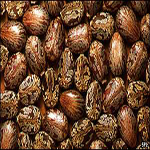
IMBA researchers have now discovered that sugar is a key factor. The researchers identified two genes that make ricin so lethal. Fut9 and Slc35c1 regulate metabolism of a particular sugar in cells, an essential monosaccharide called fucose.
 Water was used as blowing agent. The rate of forming was increased by increasing catalyst and water content. On other hand the cell size of the PU decreased with increasing amount of the catalyst and water content.
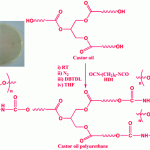 by spectroscopy.
 A maximum yield of ester was obtained. Performance of the FA-COFA ester plasticized Ethyl Cellulose (EC) films were evaluated by certain characteristic studies.
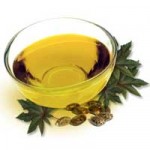 transesterification using potassium hydroxide (KOH) as a catalyst and tested on a four-stroke, single-cylinder compression ignition engine. The test was carried out at a constant speed of 3000 rpm at different loads.
 Hence scientists from Egypt performed an experiment to encapsulate ricinoleic acid into ethyl cellulose (EC) electrospun fibres. Electrospinning parameters of EC were optimized to obtain bead-free fibres.