Here is an interesting article on the enhanced neuroprotective effects of undecylenic acid.
Undecylenic acid, a synthetic unsaturated fatty acid obtained from castor oil is a well-known potent antifungal agent. In 2012, scientists from Korea found that undecylenic acid has the ability to inhibit µ-Calpain activity, a factor responsible for neurological disorders like Alzheimer’s disease. This showed the neuroprotective effects of 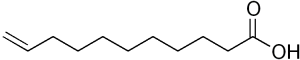 undecylenic acid.
Now scientists from Poland have done an experiment to improve the efficiency of neuroprotective effects of undecylenic acid by targeting it using polyelectrolyte coated nanocapsules. Core shell nanocapsules were prepared using nanoemulsification and the layer by layer technique. The average size of nanocapsules was around 80nm and the concentration was 2.5×10¹⁰ particles/ml. The nanocapsules were coated with either polycation or polyanion layers.
Biocompatibility of the synthesized nanocarriers was evaluated in SH-SY5Y human neuroblastoma cell line using cell viability/toxicity assays.
Results showed that nanocapsules coated with PLL and PGA were non-toxic to the human neuroblastoma cell line, thereby showing its potential to be used as a carrier of undecylenic acid. Further research showed that nanoencapsulated form of undecylenic acid was biocompatible and more effective against staurosporine-induced damage in lower concentrations than those of the same drug added directly to the culture medium.
This shows that undecylenic acid could be more effective in nanoencapsulated form against neurological disorders.
Wish to know more about undecylenic acid – see here
 different temperatures.
 and are aiming to produce tens of thousands of tons next year.
 panel production Parica (Schizolobium amazonicum) wood particles bonded by castor oil based polyurethane resin. Three different resin contents (8%, 10% and 12%) were evaluated.
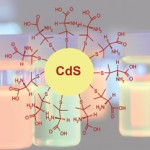 dots capped with castor oil and ricinoleic acid were prepared and analysed using various characterization techniques.