Castor Meal to Replace Soybean Meal as Lamb Feed

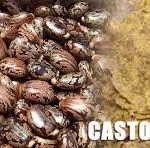
Researchers at Brazil conducted a study to understand the effect of replacement of soybean meal by wet or dry castor bean meal in diets of feedlot lambs. They assessed animal performance, carcass traits, intake, digestibility and hepatic function.

Control animals were fed with soybean meal while lambs for test were casfed with dry or wet castor meal treated with calcium hydroxide for 70 days. Lambs were slaughtered and evaluated at the end of 70 days. Dry matter intake and digestibility, final body weight, average daily gain and carcass weights were not affected by the substitution of soybean meal by castor source.
Serum levels of aspartate aminotransferase and alanine aminotransferase enzymes did not differ among treatments indicating no effect of treated CM on hepatic function.

The results show that the castor meal can completely replace soybean meal in the diet of finishing lambs without negative impacts.

Source

US Based Start-up Working On Non-toxic Castor Plant

Nova Synthetix, an agricultural biotechnology start-up, based at US,is looking to bring to market a castor-oil plant variety that does not contain a toxin. The company is commercializing a non-toxic castor plant that produces a unique fatty acid in its seed oil which will be used as a high-value chemical feedstock. They are contracting with growers and developing downstream markets for their castor product.

Nova Synthetix, has recently received a $50,000 grant from a private, US based non-profit corporation, named North Carolina Biotechnology Center.

Some interesting links

Building Energy Analytics

Some Innovative & Unique Solar Power

Castor Oil Research, Production and Challenges – A Review

In this article, castor historical research information is compiled and  the tremendous future potential of the plant is studied.Topics discussed in this review include: (i) germplasm, genetics, breeding, biotic stresses, genomesequencing, and biotechnology; (ii) agronomic production practices, diseases, and abiotic stresses; (iii) management and reduction of toxins for the use of castor meal as both an animal feed and an organic fertilizer; (iv) future industrial uses of castor including renewable fuels; (v) world production, consumption, and prices; and (vi) potential and challenges for increased castor production.

Read the article from :https://dl.sciencesocieties.org/publications/aj/pdfs/104/4/853