Antimicrobial Action of Sodium Hypochlorite and Castor Oil Solutions for Denture Cleaning – In Vitro Evaluation

Researchers from Brazil conducted an experiment to evaluate the antimicrobial actions of sodium hypochlorite and castor oil solutions against specific microorganisms. Acrylic castor oilresin specimens were obtained, sterilized and contaminated with important bacterial and Candida species.
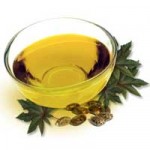
Results showed that sodium hypochlorite solutions completely eliminated all microorganisms while castor oil solution provided moderate efficacy and performed differently on tested species.
Source

Wound Healing Bionanocomposites Based on Castor Oil Polymeric Films Reinforced with Chitosan-Modified ZnO Nanoparticles

Researchers from Spain used castor oil as a matrix material to prepare biocompatible and biodegradable nanocomposite films filled with chitosan modified ZnO nanoparticles for wound healing. The biocomposites were prepared by solution mixing and casting method. The morphology, structure and wound healing properties of Castor oilthe films were analysed. The antibacterial activity of the films were investigated in the presence and absence of UV light.

Results showed that the antibacterial activity was stronger against gram positive bacteria. Composites with nanoparticle loading enabled faster wound healing thus showing the potential to be applied as antibacterial wound dressings.

Source

Catalytic Pyrolysis of Castor Seed into Liquid Hydrocarbon Transportation Fuels

Scientists performed an experiment to analyze the effect of catalysis pyrolysis ofCastor seeds castor seed on the yield of oil. Catalytic pyrolysis was carried out at 400°C for different ratios of catalyst to biomass using zeolite as catalyst.

Results showed that compared to thermal pyrolysis of castor seed, catalytic pyrolysis decreased the yield of oil and that the bio oil contained compounds with carbon chain length in the range of C4-C24 that is similar to most of the fuels used.

Source

Solubility Assessment of Castor (Ricinus communis L) Oil in Supercritical CO2 at Different Temperatures and Pressures under Dynamic Conditions

Scientists from Malaysia performed an experiment to determine the solubility of castor oil by using supercritical carbon dioxide as extractiCastor oilng solvent.  A simple dynamic technique was used to obtain the solubility of castor oil in super critical carbon dioxide.  Five semi-empirical models were tested for their ability to correlate the experimental data.
Results showed that the test models used correlated the castor oil solubility data with the lowest average absolute relative deviation percentage (AARD %).

More

Bio-Based Branched Polymer Bearing Castor Oil Core as a Nucleating Agent for Poly(L -Lactic Acid)

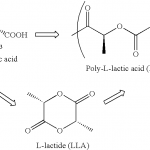
Researchers from Japan performed an experiment to analyze the change in characteristics of PLLA by introducing a biobased branched polymer bearing castor oil core as a nucleating agent.  The Biobased polymer bearing castor oiPoly l-lactic acidl core was synthesized. The nucleating effect of the branched polymer on the crystallization of PLLA was analyzed using differential scanning calorimetry and a polarized optical microscopy.
Results showed that by the addition of the branched polymer, the spherulite size of PLLA became smaller and the strain at break of PLLA containing the branched polymer was improved.

Source

Influence of NCO/OH and Transesterified Castor Oil on the Structure and Properties of Polyurethane: Synthesis and Characterization

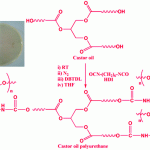
Scientists conducted an experiment to analyze the influence of isocyanate, hydroxyl groups and transesterified castor oil on the structure and properties of polyurethane. castor oil polyurethane Polyurethane was synthesized using transesterified castor oil and partially Biobased isocyanate with varying concentrations of isocyanate and hydroxyl groups.
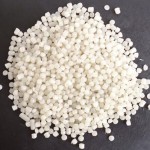

The chemical and mechanical properties, thermal stability of polyurethanes were analyzed. Results showed that NCO/OH molar ratio had profound effect on the tensile properties and modulus of polyurethanes.

Source

Effect of Castor Oil/Polycaprolactone Hybrid Polyols on the Properties of Biopolyurethane

Scientists from Korea have conducted an experiment to test the effects of castor oil/ polycaprolactone hybrid polyols on the properties of biopolyurethane. Organic solvent soluble castor oil/polycaprolactone diol (PCL) based polyurethane was prepared.Polycaprolactone

The results showed that the tensile properties and shape memory of castor oil/PCL based polyurethane were enhanced when compared with PCL based polyurethane. The enhancement in properties was due to the increased hard segment portion and cross linking density by 3 urethane bonds formed per molecule in the castor oil/PCL mixed system.

This research suggests that castor oil/ PCL based polyurethane could be used as biobased coating materials.

More

Synthesis and Characterization of Acrylated Epoxidized Castor Oil Nanocomposites

Scientists from India synthesized a renewable resource based epoxidized castorCastor plant oil (ECO) and used it as a prime material to develop acrylated epoxidized castor oil (AECO) networks. AECO nanocomposites were prepared by sol-gel method using OMMT clay and silane.
The results showed that AECO/1 wt.% OMMT system increases in tensile strength from 28 to 37 MPa and flexural strength from 54 to 63 MPa as compared with the AECO system, respectively.

Source

Synthesis of Castor Oil Based Plasticizers Containing Flame Retarded Group and their Application in Poly (Vinyl Chloride) as Secondary Plasticizer

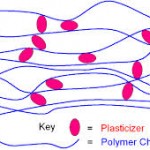
A team of researchers from China have conducted an experiment to synthesize castor oil based plasticizers containing flame retarded group and their use in poly vinyl chlorPlasticizerside as a secondary plasticizer. Initially epoxidized castor oil (ECO) and castor oil phosphate ester (COPE) were synthesized and their structure was characterized. The property of PVC blends plasticized with ECO and COPE as a secondary plasticizer was studied.

The results showed that the thermal stability of plasticized PVC blends was improved; the flame retardant performance of COPE was put into effect by promoting polymer carbonization and forming a consolidated and thick flame retardant coating.

Source

Emerging Techniques and Research to Increase Yield in Castor

Increasing the yield of castor from 1 T/hectare per year (the average right now in India) to something much higher is a highly desirable outcome, but not very easy.

The best way to overcome yield challenge in castor industry is to concentrate more on research and development (R&D) area.

Many techniques are emerging in R&D sector to increase the yield of castor. These include

  • Hybrids: Selection of Hybrids to increase yield, branching, non-shattering and high oil content. e.g.- HC1, HC2,…8 also, advanced hybrids like TSP 10R VP1 lata, etc.
  • Cross Pollination: Under natural conditions, cross pollination in castor can exceed 80%, but the actual level of cross pollination is dependent on both genotype and environmental conditions. Germplasm storage under cryogenic conditions keeps up the viability of seeds even after 30 days
  • Other techniques like enriching the soil with zinc content