Global Castor Conference 2016

The Solvent Extractors’ Association of India is organizing the 14th International Conference on Castor – Global Castor Conference 2016 which is to be held on 12th – 13th February 2016 at Hotel Courtyard by Marriott, Ahmedabad, Gujarat.

The main aim of this conference is to focus on the issues present in castor industry castor oiland find suitable solutions via interactions with eminent speakers and panel members from India and abroad.

Latest status of Indian as well as global castor scenario and castor oil price outlook – 2016 will be discussed.

The conference will offer an excellent opportunity to interact with members from various segments in castor oil industry from India and abroad viz.

  • Importers and Exporters of Castor Oil& its Derivatives / Castor Meal
  • Castor Oil Traders & Brokers
  • Players in Futures Trading and Officials from Commodity Exchanges
  • Service Providers: Surveyors, Shipping Agents, Port Authorities & Tank Farm Owners
  • Castor Oil Users: Paint, Lubricant, Resins Manufacturers Agriculture Scientists, Consultants & Govt. Officials
  • Auxiliary Industries viz: Machinery Manufacturers& Consultants etc.

Agenda:

9.00 to 9.45 AM Registration & Tea
9.45 to 10.45 AM Inaugural Session
10.45 to 11.15 AM TEA
11.15 to 1.00 PM Global Castor Consumption Outlook And Emerging Trend
1.00 to 2.00 PM LUNCH
2.00 to 3.15 PM Indian Castor Seed & Oil Scenario & Expectation
3.15 to 3.35 PM Indian Castor Crop Survey : 2015 (Presentation)
3.35 to 4.15 PM Castor Oil Price Forecast – Chartist’s View
4.15 to 5.25 PM Castor Oil Price Outlook 2016 – Panel Discussion
5.25 to 5.30 PM Concluding Remarks & Vote of Thanks

Castoroil.in team will be present at the conference and we will update the news and highlights of the proceedings.
New Antibacterial Castor Oil Derivative – from Ricinoleic Acid

Here’s an interesting derivative possibility of an antibacterial product from ricinoleic acid, a derivative of castor oil.

Contamination is a big issue in any environment. It affects each and every stage in all the processes we do from manufacturing a product to its maintenance (shelf life). To control contamination, a suitable compound with a high antibacterial activity is to be added in an ongoing process.

A well-known example of compounds with antibacterial activity are naturally occurring phenolic compounds.

Now scientists from India have developed 7 novel ricinoleic acid ricinoleic acidglycosides having antibacterial activity using Koenigs–Knorr glycosylation reaction. On the whole, 28 ricinoleic acid glycosides were developed and their antibacterial activities were analysed. Seven of them were found to show promising wide spectrum antibacterial activity against gram positive bacteria.

Among the 7 compounds, two compounds namely mannopyranosyl- and the arabinofuranosyl derivatives were found to be effective against various non-clinical/clinical, overexpressed/resistant strains of Staphylococcus aureus and other gram positive bacteria such as Bacillus subtilis and Micrococcus luteus. It was found that the presence of sugar and its structure and the methyl ester protection of the carboxylic moiety of ricinoleic acid are responsible for these compounds to be bioactive.

Now industries looking for other potential compounds with antibacterial activity could go for these ricinoleic acid glycosides.

Wish to know more about Ricinoleic Acid – see here. Or other castor derivatives – see here.

Source

New Enhanced Neuroprotective Properties of Undecylenic Acid

Here is an interesting article on the enhanced neuroprotective effects of undecylenic acid.

Undecylenic acid, a synthetic unsaturated fatty acid obtained from castor oil is a well-known potent antifungal agent. In 2012, scientists from Korea found that undecylenic acid has the ability to inhibit µ-Calpain activity, a factor responsible for neurological disorders like Alzheimer’s disease.  This showed the neuroprotective effects of Undecylenic acidundecylenic acid.

Now scientists from Poland have done an experiment to improve the efficiency of neuroprotective effects of undecylenic acid by targeting it using polyelectrolyte coated nanocapsules. Core shell nanocapsules were prepared using nanoemulsification and the layer by layer technique. The average size of nanocapsules was around 80nm and the concentration was 2.5×10¹⁰ particles/ml. The nanocapsules were coated with either polycation or polyanion layers.

Biocompatibility of the synthesized nanocarriers was evaluated in SH-SY5Y human neuroblastoma cell line using cell viability/toxicity assays.

Results showed that nanocapsules coated with PLL and PGA were non-toxic to the human neuroblastoma cell line, thereby showing its potential to be used as a carrier of undecylenic acid.  Further research showed that nanoencapsulated form of undecylenic acid was biocompatible and more effective against staurosporine-induced damage in lower concentrations than those of the same drug added directly to the culture medium.

This shows that undecylenic acid could be more effective in nanoencapsulated form against neurological disorders.

Wish to know more about undecylenic acid – see here

Source

Castor Seed Price Weekly Report: Jan 04 – 08, 2016

CastorOil.in brings you the weekly report of castor seed price at NCDEX.

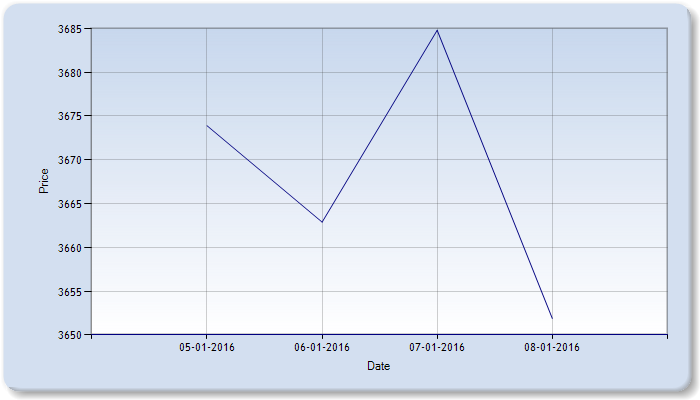
Check out the table and the graphical data.

The closing price for last week was Rs. 3726.65/quintal. This week, a decrease in price of castor seed was observed at the end of the week.

In general, a decrease in the price of castor seed was observed compared to previous week.

Price Date Rupees Per Quintal
05 Jan 3673.9
06 Jan 3662.9
07 Jan 3684.8
08 Jan 3651.9

Castor Seed Price Weekly Report: Jan 04 – 08, 2016

Source

Novel Bio-Based Polyols for Flame Retardant Polyurethane Sealants

A sealant is an elastomeric material that allows for 25% to 50% movement. They are used to level, fill gaps, seal holes and provide bonding and protection. Sealants are made by using either silicone or polyurethane.

Polyurethane sealants are formed by reacting an isocyanate component with amines, polyols or other active hydrogen compounds. Some polyurethane sealants are flame retardant where flame retardants such as ammonium polyphosphate are used along with the polymers to obtain the desired character. So far, only specialty polyols polyurethane-joint-sealantlike polycarbonate polyols, polycaprolactone polyols, polybutadiene polyols, and polysulfide polyols have been used to make polyurethane sealants.
Now, Chinese researchers have developed a novel ricinoleic acid based phosphorus and nitrogen-containing flame retardant polyols (FRPE) for polyurethane sealants. The flame retardant polyols were characterized by different characterization techniques.

Flame retardant polyurethane sealants (FR-PUS) were prepared by curing flame retardant polyols with methylene diphenyl diisocyanate (MDI-50). The flame retardant properties of the polyurethane sealants were investigated using limiting oxygen index (LOI), cone calorimeter testing (CCT) and thermogravimetric analysis (TGA).

Results showed that flame retardant polyols could enhance the thermal stability and flame retardancy of polyurethane sealants without adding any other flame retardant.

Now, industries manufacturing polyurethane sealants could produce them in a renewable way which will be environmental friendly.

Source

Sebacic Acid – Unique, Bio-Based Feedstock for Green Polymers: Overview of Interview with Roland Glotzer

Sebacic_acid_3D_ballBio based polymers are those derived from renewable resources and appear to be more environmental friendly than polymers derived from petroleum. Due to their ecological benefits, the production and consumption of biobased polymers are increasing.
Bio based polyamide, also called nylon, is one of the oldest bio based engineering plastics. Most of them are currently derived from castor oil. The key ingredient for the manufacture of bio based polyamide is Sebacic acid derived from castor oil.

In 2012, Arkema acquired Casda Biomaterials, the earliest manufacturer of Sebacic acid in China. Roland Glotzer, who previously headed Arkema Chemicals took control as the CEO of Casda Biomaterials in August 2014.

A 2015 interview with Roland Glotzer gives us an overview of Sebacic acid market.

Some of the key highlights from the interview are discussed below:

  1. Bio based polymers made from Sebacic acid have advantages like excellent flexibility, durability, hydrophobicity and lower melting temperatures.
  2. Sebacic acid currently sells in the range USD 3550 to USD 3700 per ton FOB China, while caprolactam, another raw material for polyamide from petroleum costs around USD 2700 per ton. That is, Sebacic acid based polyamides are costlier. But these Sebacic acid based polyamides could offer better physical and chemical properties such as better flexibility and hydrophobicity. Hence the selection of Sebacic acid as feedstock is based on its performance rather than its cost.
  3. Sebacic acid is widely used in plasticizers where sebacates i.e. esters of Sebacic acid are mainly involved in their manufacture. This is due to the superior low temperature resistance of sebacates compared to phthalate plasticizers. Dibutyl sebacate is widely used in food packaging, while Dimethyl sebacate is used in light stabilizers for cellulose resins, synthetic resins and rubbers.
  4. The current markets for Sebacic acid are in the production of various polymers, esters, as a corrosion inhibitor, as an additive for low temperature lubricants, as a buffering agent in cosmetics.
  5. The future of Sebacic acid and its derivatives market is high. However, the industry also requires sustainable financial results. The key factor is the cost of castor oil. We hope that castor oil would continue to be available in prices affordable by all in the supply chain while also ensuring that Sebacic acid would continue to be cost competitive against other possible substitutes.

Source

Students Mistake Castor Seed for Lychee Seed, Treated for Ricin

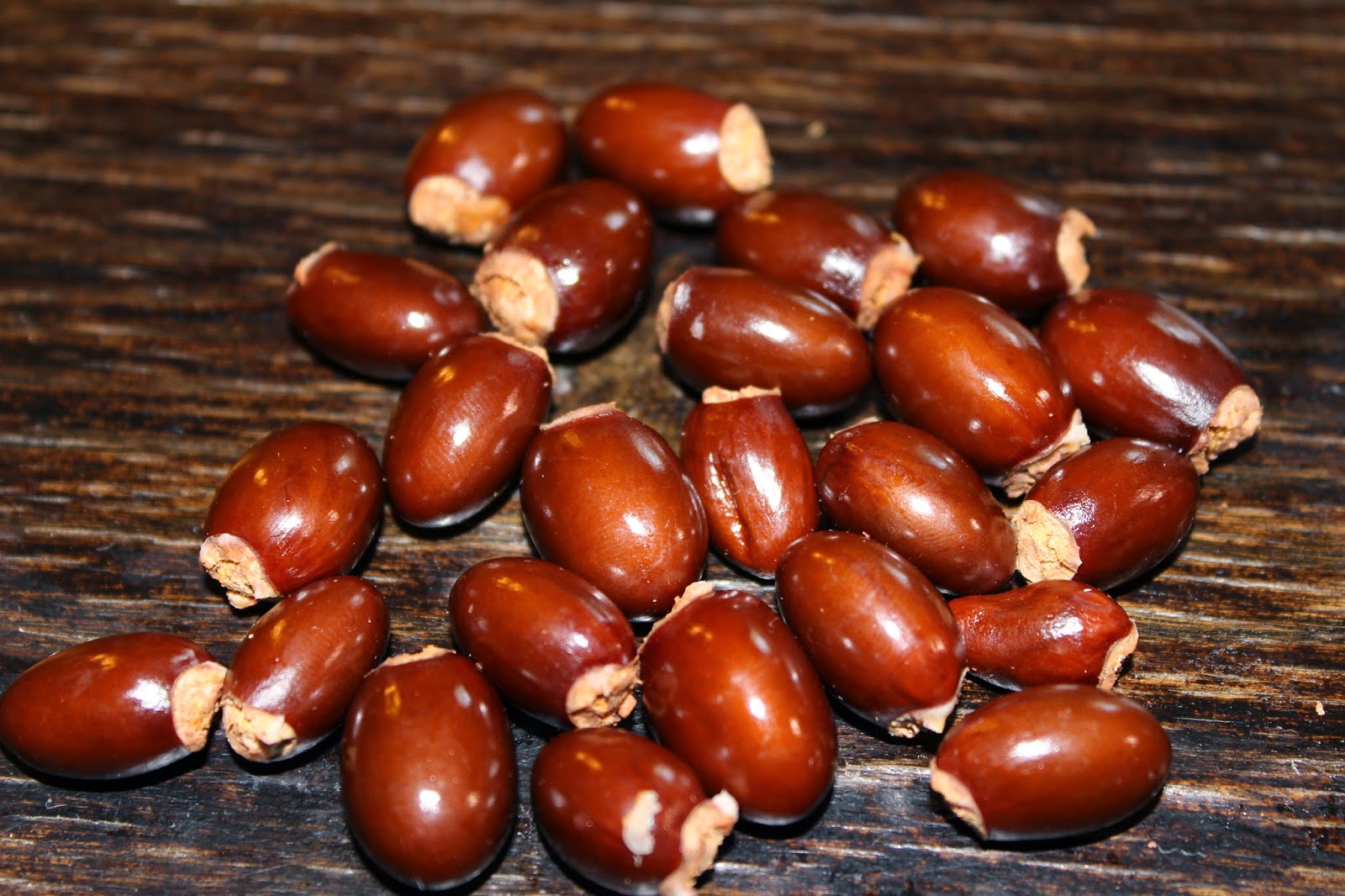
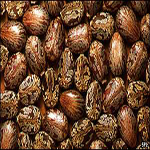
Castor-Oil-Seeds2This post has little to do with the castor industry and more with a fascinating aspect of castor seeds – the fact that they look rather cool while at the same time containing ricin.
Came across an interesting news item on this – a bunch of students in Canada mistook castor seeds for lychee seeds and consumed them.

Now, it is not exactly easy to consume castor seeds – they are really tasty, that is for sure – but somehow these lads had consumed them. Thankfully, everything ended well after this mistake was discovered early and the students were treated.

But it once again throws light one of the very few concerns that folks have with the castor crop – its poisonous seeds.

Many times, I ask about this to farmers in India who grow castor and they say that they rarely if ever have heard of any humans eating these by accident and falling ill or worse. In fact, they mention that even animals do not eat them as these are not edible seeds and the animals sense that these seeds are not good. (even if you ingest them accidentally, the ricin takes effect only if you chew and masticate the seeds)

So, overall one can perhaps say that the castor seeds in theory seem to pose some danger but unless used intentionally (and they have been – see here and here), its ricin seems to have done little damage so far.

How the students mistook castor seeds for lychee seeds is a bit intriguing, though I must say the seeds do have some similarities

Castor Seed Images – Image 1 & Image 2

Lychee Seed Images – Image 1 & Image 2

New Disease Resistant Castor Seed to Yield 1800 Kg / hectare

Castor-Oil-Seeds2Highlights

  • The new HCH-6 seeds have been developed by scientists at UAHS, Shivammoga
  • Yield in the case of traditional varieties said to be declining by the year owing to disease
  • Farm trial of new varieties have been completed and the hybrid castor seeds could yield up to 30% higher output
  • They are awaiting official approval for release

Scientists at the University of Agricultural and Horticultural Sciences (UAHS), Shivamogga (Karnataka), have developed disease-resistant varieties of castor seeds.

Castor seeds are widely cultivated in dry regions of Chitradurga, Davangere and Tumakuru districts. However, the yield of castor seed has been waning owing to fusarium wilt and white fly infection.

Scientists at zonal agricultural and horticultural research station of the university at Hiriyur have developed a disease-resistant and high-yield variety of castor seed named HCH (Hybrid Castor Hiriyur)-6, which is a fusion of DPC-9 and TMV-6 varieties. If cultivated as a solo crop, the yield of HCH-6 variety is said to be around 18 quintals a hectare of land, while it was around 13-14 quintals a ha in other existing varieties.

(A quintal equals 100 Kg)

As part of the farm trial, Lakshmanappa, a farmer from Holalkere in Chitradurga district, who had cultivated HCH-6 variety of castor in his land, said that the yield had increased by around 22 per cent and the plants were free from wilt infection.P. Narayanaswamy, Director of Research, UAHS, Shivamogga, said that KPR-1 paddy and HCH-6 castor seeds would be released after getting approval from the State-level Variety Release Committee and the Central Sub-committee on Crop Standards, Notification and Release of Varieties. The seeds of both the varieties would be released by June, 2016, he said.

If indeed the castor seed yields could be increased to 1.8 tons/hectare, this could be a big boost to farmers, as the country’s average is hovering only about 1.3-1.4 T/hectare as mentioned earlier. And with the castor seeds seeing an overall upswing in prices in the past few years and hovering at about Rs 40/Kg (though 2015 saw slightly lower prices than 2014), such increases in yields could result in many more farmers taking up castor cultivation.

Source: The Hindu

Castor Seed Prices in 2015 – An Analysis by CastorOil.in

Castor seed prices have traded in the range of Rs. 3600 – Rs. 4200/quintal in 2015. The prices have remained range-bound till October due to a comfortable supply situation. The week rupee and lower prices led to healthy demand and hence the seed prices increased to Rs. 4200/quintal in November, tracking good export demand to China and EU in the latter half of the year.

Prices have increased to Rs. 4215/quintal in November, compared to seasonal low of Rs. 3500/quintal in February 2015. It is expected that the prices will trade in the range of Rs. 4000 – Rs. 4300/quintal before the new crop arrivals pick up in February 2016. (Read more from here)

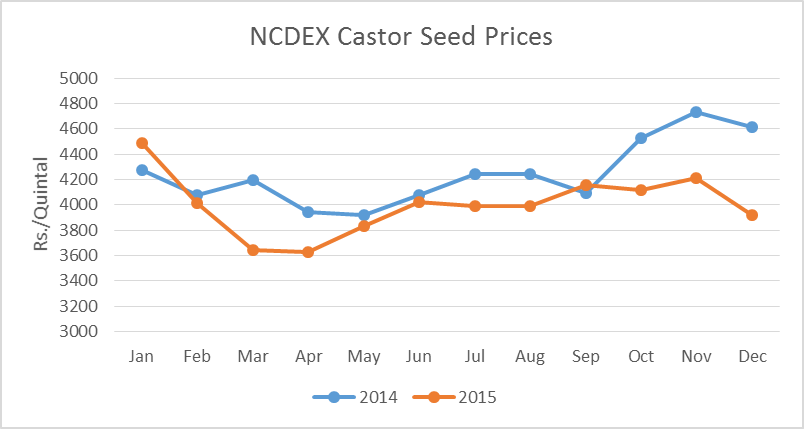
The average prices for each month are presented below.

2015 2014
Month Rs./Quintal Month Rs./Quintal
Jan 2015 4486.6 Jan 2014 4275.6
Feb 2015 4013.5 Feb 2014 4079.4
Mar 2015 3646.8 Mar 2014 4193.3
Apr 2015 3631.3 Apr 2014 3947.7
May 2015 3830.6 May 2014 3916.6
Jun 2015 4021.8 Jun 2014 4078
July 2015 3991.1 Jul 2014 4241.7
Aug 2015 3992.6 Aug 2014 4247.7
Sep 2015 4160.1 Sep 2014 4096
Oct 2015 4115.3 Oct 2014 4527.8
Nov 2015 4215.2 Nov 2014 4731.3
Dec 2015 3920.8 Dec 2014 4612


NCDEX castor seed prices

Yearly average prices:

2014 – Rs.4245/quintal

2015 – Rs.4002.1/quintal

Some observations:

  • Starting with a high of Rs 4500/quintal, the lowest price reached during the year (about Rs 3600/quintal) is almost 20% lower than the highest price during the year.
  • Even though the price almost touched Rs 3600/quintal during 2015, we can see that it has remained almost at or above Rs 4000/quintal for most of the months (9/12 months, it has been Rs 3900 and above), so one can say that Rs 40/Kg (and for a few months above 40) was the dominant price of castor seeds during 2015.
  • In 2014, though the prices have started off at a price lower than 2015, the price trend has remained somewhat stable during February to June compared to 2015. During the end of the year, in the months of Oct to Dec, the prices have reached very high compared to 2015.  The prices have been above Rs.40/kg except for two months.
  • When we compare the yearly average prices, the average price for 2014 is Rs.4245/quintal, while that for 2015 is Rs.4002.1/quintal which shows a 5.7% reduction in price in 2015.

A Sebacic Acid Production Plant in Oman

sebacic acidRecent news items suggest that Oman is setting up a plant to produce sebacic oil from castor oil.

While new sebacic acid plants in themselves is not such interesting news, it is interesting to see an Oil Economy country going for a renewable oil production.

This news was first reported by CastorOil.in many months back.

In May 2015, Oman Sebacic Company, promoted by India-based Shipra Agrichem Pvt Ltd and Omani businessman Shaikh Hilal bin Khalid al Mawali, signed an agreement with for the development of this one-of-a-kind project at Duqm. Shipra operates a 10,000 metric tonnes per annum capacity sebacic acid plant in Vadodara on India’s west coast.

the plant construction is expected to start in Q1 2016.

Alongside the sebacic acid complex project is a project to cultivate 66,000 acres of castor, under a total buyback agreement by the project promoter, Pradeep Nair.

Interesting indeed. Now sure what the driver was for locating the plant in Oman, if Shipra is already operating a sebacic acid plant in India; perhaps diversifying risk, or perhaps of the investment interest shown by Oman,

What is also interesting is the cultivation of castor, I am not entirely sure if the cultivation is supposed to be happening in Oman (which I doubt). More likely, the cultivation would be in Gujarat and either the castor seeds or castor oil from the cultivated crops would be completely bought by the Omanese company.

Am looking forward to further progress of this venture.