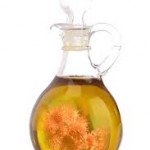
 Researchers from Malaysia performed an experiment to optimize the solvent extraction of castor oil through response surface methodology. Castor oil was extracted using solvent extraction with three different solvents: hexane, petroleum-ether and ethanol. Optimization of the percentage of oil yield was carried out using response surface methodology and Box-Behnken design.
The model equations gave good fit with appropriate coefficient of determination for the three solvents stating that response surface methodology would e suitable for optimization of percentage oil yields.
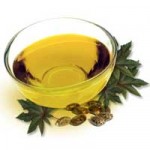 Scientists from India conducted an experiment to analyze the suitable source needed to manufacture UV-curable polyurethane dispersions for coating applications. They synthesized a series of novel waterborne UV-curable polyurethane dispersions from castor oil, Isophorone diisocyanate (IPDI), Dimethylolpropionic Acid (DMPA)and Hydroxyethylmethacrylate (HEMA) by acetone process.
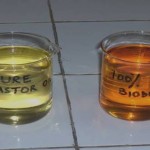 und assisted biodiesel synthesis from castor oil using response surface methodology. Parameters such as reaction time, methanol to oil molar ratio, ultrasonic cycle and ultrasonic amplitude were taken into consideration to optimize the biodiesel synthesis process.
 ucture was determined.
 ticles.
 etardant chlorinated phosphate ester based on castor oil (CPECO) was synthesized. Its chemical structure was characterised with FTIR and NMR.