Scientists from Mexico conducted an experiment to evaluate the seed and oil production, yield and quality of biodiesel produced from eleven wild genotypes of castor 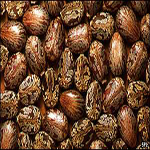 oil plant in Mexico. Seed and oil production was evaluated in experimental plots at field level and the quality of biodiesel produced was also evaluated.
Results showed that the seed production varied between 937.1 kg/ha and 56.3 kg/ha indicating the feasibility to produce castor oil in the north-east region of Mexico. Quality tests conducted for biodiesel showed some potential for use blended with petroleum diesel.
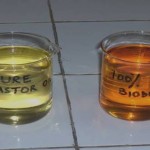 or oil without using extra petrochemical methanol. The new method uses bio refinery setup where bioethanol is used instead of fossil-based methanol to produce biodiesel.
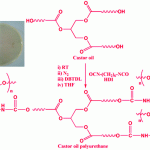 electrolytes. Castor oil polyols were synthesized and mixed with 4,4′-diphenylmethane diisocyanate to synthesize the desired biobased polyurethane.
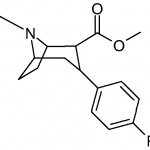 castor oil to be used as potential drug delivery systems. Two classes of symmetric and asymmetric bolaamphiphiles with acetyl choline head groups were synthesized and characterized.
 The aliphatic functional polyester was obtained by enzymatic polycondensation of dimethyl 2,9-dibromosebacate and 1,10-decanediol derived from castor oil.
 resin specimens were obtained, sterilized and contaminated with important bacterial and Candida species.