New Enhanced Neuroprotective Properties of Undecylenic Acid

Here is an interesting article on the enhanced neuroprotective effects of undecylenic acid.

Undecylenic acid, a synthetic unsaturated fatty acid obtained from castor oil is a well-known potent antifungal agent. In 2012, scientists from Korea found that undecylenic acid has the ability to inhibit µ-Calpain activity, a factor responsible for neurological disorders like Alzheimer’s disease.  This showed the neuroprotective effects of Undecylenic acidundecylenic acid.

Now scientists from Poland have done an experiment to improve the efficiency of neuroprotective effects of undecylenic acid by targeting it using polyelectrolyte coated nanocapsules. Core shell nanocapsules were prepared using nanoemulsification and the layer by layer technique. The average size of nanocapsules was around 80nm and the concentration was 2.5×10¹⁰ particles/ml. The nanocapsules were coated with either polycation or polyanion layers.

Biocompatibility of the synthesized nanocarriers was evaluated in SH-SY5Y human neuroblastoma cell line using cell viability/toxicity assays.

Results showed that nanocapsules coated with PLL and PGA were non-toxic to the human neuroblastoma cell line, thereby showing its potential to be used as a carrier of undecylenic acid.  Further research showed that nanoencapsulated form of undecylenic acid was biocompatible and more effective against staurosporine-induced damage in lower concentrations than those of the same drug added directly to the culture medium.

This shows that undecylenic acid could be more effective in nanoencapsulated form against neurological disorders.

Wish to know more about undecylenic acid – see here

Source

Novel Bio-Based Polyols for Flame Retardant Polyurethane Sealants

A sealant is an elastomeric material that allows for 25% to 50% movement. They are used to level, fill gaps, seal holes and provide bonding and protection. Sealants are made by using either silicone or polyurethane.

Polyurethane sealants are formed by reacting an isocyanate component with amines, polyols or other active hydrogen compounds. Some polyurethane sealants are flame retardant where flame retardants such as ammonium polyphosphate are used along with the polymers to obtain the desired character. So far, only specialty polyols polyurethane-joint-sealantlike polycarbonate polyols, polycaprolactone polyols, polybutadiene polyols, and polysulfide polyols have been used to make polyurethane sealants.
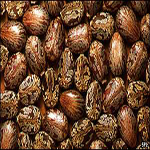
Now, Chinese researchers have developed a novel ricinoleic acid based phosphorus and nitrogen-containing flame retardant polyols (FRPE) for polyurethane sealants. The flame retardant polyols were characterized by different characterization techniques.

Flame retardant polyurethane sealants (FR-PUS) were prepared by curing flame retardant polyols with methylene diphenyl diisocyanate (MDI-50). The flame retardant properties of the polyurethane sealants were investigated using limiting oxygen index (LOI), cone calorimeter testing (CCT) and thermogravimetric analysis (TGA).

Results showed that flame retardant polyols could enhance the thermal stability and flame retardancy of polyurethane sealants without adding any other flame retardant.

Now, industries manufacturing polyurethane sealants could produce them in a renewable way which will be environmental friendly.

Source

New Disease Resistant Castor Seed to Yield 1800 Kg / hectare

Castor-Oil-Seeds2Highlights

  • The new HCH-6 seeds have been developed by scientists at UAHS, Shivammoga
  • Yield in the case of traditional varieties said to be declining by the year owing to disease
  • Farm trial of new varieties have been completed and the hybrid castor seeds could yield up to 30% higher output
  • They are awaiting official approval for release

Scientists at the University of Agricultural and Horticultural Sciences (UAHS), Shivamogga (Karnataka), have developed disease-resistant varieties of castor seeds.

Castor seeds are widely cultivated in dry regions of Chitradurga, Davangere and Tumakuru districts. However, the yield of castor seed has been waning owing to fusarium wilt and white fly infection.

Scientists at zonal agricultural and horticultural research station of the university at Hiriyur have developed a disease-resistant and high-yield variety of castor seed named HCH (Hybrid Castor Hiriyur)-6, which is a fusion of DPC-9 and TMV-6 varieties. If cultivated as a solo crop, the yield of HCH-6 variety is said to be around 18 quintals a hectare of land, while it was around 13-14 quintals a ha in other existing varieties.

(A quintal equals 100 Kg)

As part of the farm trial, Lakshmanappa, a farmer from Holalkere in Chitradurga district, who had cultivated HCH-6 variety of castor in his land, said that the yield had increased by around 22 per cent and the plants were free from wilt infection.P. Narayanaswamy, Director of Research, UAHS, Shivamogga, said that KPR-1 paddy and HCH-6 castor seeds would be released after getting approval from the State-level Variety Release Committee and the Central Sub-committee on Crop Standards, Notification and Release of Varieties. The seeds of both the varieties would be released by June, 2016, he said.

If indeed the castor seed yields could be increased to 1.8 tons/hectare, this could be a big boost to farmers, as the country’s average is hovering only about 1.3-1.4 T/hectare as mentioned earlier. And with the castor seeds seeing an overall upswing in prices in the past few years and hovering at about Rs 40/Kg (though 2015 saw slightly lower prices than 2014), such increases in yields could result in many more farmers taking up castor cultivation.

Source: The Hindu

New Disease-resistant Castor Seeds to be Released Soon

Scientists at zonal agricultural and horticultural research station of the University castor seedsat Hiriyur have developed a disease resistant and high yield variety of castor seed called HCH-6 (Hybrid Castor Hiriyur) which is a fusion of DPC-9 and TMV-6 varieties.

The yield of the variety is said to be around 18 quintals per hectare while it is around 13-14 quintals per hectare in other existing varieties.

Source

Differential Longevity of Castor (Ricinus communis L.) Germplasm Conserved Under Uncontrolled Storage Conditions across Extended Periods

Scientists from India performed an experiment to analyse the differential longevity of castor germplasm conserved under uncontrolled storage conditions.  Seed longevity of 2961 castor accessions stored for <1-19 years under ambient conditions was investigated to analyse the loss in vigour by the castor seed and also castor seedsdetermine the genetic variability for seed longevity.

Results showed that castor seed retained 40% germination even after 19 years of storage. All the accessions maintained 100% germination for one year, but from the second year, differential germination percentage was observed among accessions stored for the same duration.

More

Fulgar Develops Castor Oil-Based Fibre

Italian synthetic fibre business Fulgar has launched a new high performance nylon fibreFulgar made from biopolymer extracted from castor oil seed.
The fibre, Evo, is suitable for all applications, particularly, for the sports sector as it is ultra-light, stretchy and easily breathable.

Source

Productive and Metabolic Parameters in Lambs Fed Diets with Castor Seed Meal

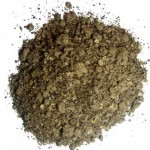
Scientists from Brazil conducted an experiment to evaluate the replacing levels of soybean meal with castor seed meal in diets for lambs on the productive and metabolic parameters. The lambs were fed with varying concentrations Castor seed mealof castor seed meal replacing soybean meal. The experimental setup was completely randomized with five treatments and ten replicates.

The experimental results showed that despite the decreased intake, nutrient digestibility and nitrogen balance, castor seed meal could replace 50% of soybean meal without changing the lamb’s blood parameters or performance.

Source

Effect of Period of Fermentation on Nutrients of Castor Oil Seed (Ricinus communis)

Scientists from Nigeria performed an experiment to analyse the effect of period of fermentation on the nutrients of castor oil seeds. Castor oil seed was dehulled, boiled anCastor-Oil-Seeds2d wrapped in a banana leaf. The wrapped seed was kept in a basket and allowed to ferment for four days. The package was unwrapped daily to remove 250g of fermenting cotyledon and dried at 60°C to terminate the fermentation process.

Results showed that the fermented castor oil seeds exhibited increase in moisture, crude protein, crude fibre, carbohydrate, potassium and zinc. The lysine content also significantly increased on the fourth day.

Source

Evaluation of Eleven Genotypes of Castor Oil Plant (Ricinus communis L.) for the Production of Biodiesel

Scientists from Mexico conducted an experiment to evaluate the seed and oil production, yield and quality of biodiesel produced from eleven wild genotypes of castor castor seedsoil plant in Mexico. Seed and oil production was evaluated in experimental plots at field level and the quality of biodiesel produced was also evaluated.

Results showed that the seed production varied between 937.1 kg/ha and 56.3 kg/ha indicating the feasibility to produce castor oil in the north-east region of Mexico. Quality tests conducted for biodiesel showed some potential for use blended with petroleum diesel.

Source

Iranian Engineers Develop Bio Refinery for Castor without Need for Fossil-Based Methanol

Scientists from Iran have developed a new method to produce biodiesel from castcastor oil biodieselor oil without using extra petrochemical methanol. The new method uses bio refinery setup where bioethanol is used instead of fossil-based methanol to produce biodiesel.

Results showed that the optimum biodiesel yield was 85% achieved at a temperature of 62.5°C with an ethanol: oil ratio of 0.29:1.

Source